
What to Expect During the Restoration Process
People seeking storm restoration typically want to repair damage quickly and safely, and local service providers can handle assessments, repairs, and cleanup to restore your property.
Understanding what to expect during the restoration process can help property owners feel more prepared and confident when addressing storm damage. Typically, this process involves several key stages, including assessment, cleanup, repairs, and final inspections. Local contractors experienced in storm restoration are equipped to guide homeowners through each step, ensuring that the work is handled efficiently and thoroughly. By familiarizing themselves with these stages, property owners can better navigate the recovery journey and make informed decisions along the way.
For residents in the area, exploring what the restoration process entails is especially relevant during seasons prone to severe weather. Storm damage can impact homes and businesses in various ways, making it essential to work with service providers who understand the local challenges and standards. These professionals not only help restore properties but also provide clarity about what to expect during each phase, helping property owners feel more at ease as their spaces are brought back to safety and stability. Keep reading to learn more about how local experts can support this important recovery process.
- Roof Repairs - when storm damage causes leaks or structural issues, local contractors assess the damage and perform necessary repairs to restore roof integrity.
- Siding Replacement - after severe weather, service providers replace or repair damaged siding to protect the home and improve its appearance.
- Window and Door Restoration - storm impacts that cause broken or compromised windows and doors are handled by local pros who ensure proper sealing and security.
- Interior Water Damage Restoration - flooding or leaks during storms may require professionals to remove water, dry affected areas, and prevent mold growth.
- Gutter and Drainage System Repairs - heavy storms often damage gutters and drainage, with local contractors restoring proper flow to prevent future water issues.

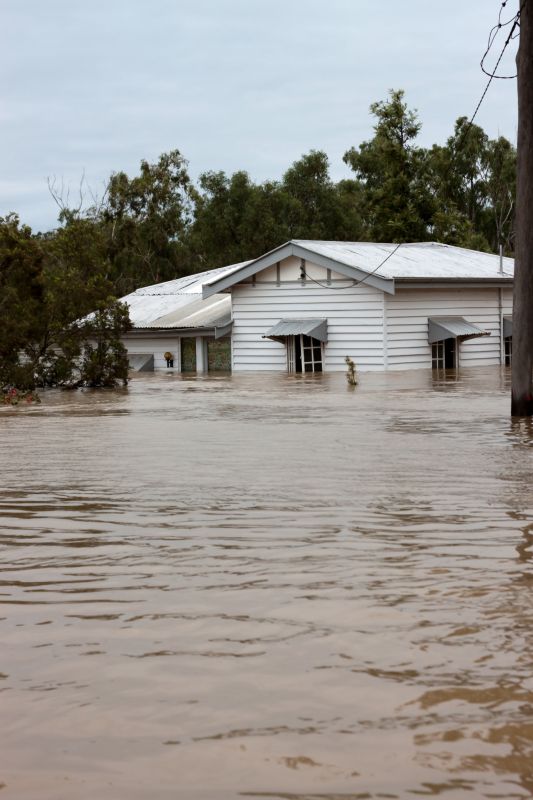
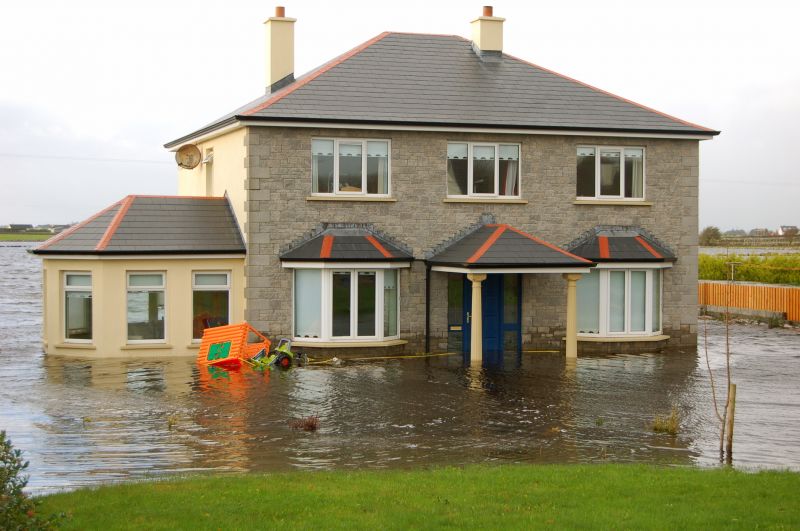
Understanding what to expect during the restoration process can help homeowners feel more prepared when dealing with storm-related damage. Typically, this process begins after a storm causes damage to a property’s roof, windows, siding, or other structural elements. Homeowners searching for this information are often looking to understand the steps involved, how long repairs might take, and what kind of work will be necessary to restore their home to its pre-storm condition. Knowing what to anticipate can reduce stress and help homeowners coordinate effectively with local contractors who specialize in storm restoration.
The restoration process usually involves several key phases, starting with an assessment of the damage. Local service providers will evaluate the extent of the storm impact, identify areas that need immediate attention, and develop a plan for repairs. This might include replacing damaged roofing, fixing broken windows, or restoring compromised siding. Homeowners should expect a thorough inspection to determine the scope of work, followed by the preparation and cleanup stages. During these phases, contractors work to remove debris, secure the property, and prepare it for repairs, ensuring that the home is protected from further damage.
The types of problems addressed during storm restoration often relate to weather-related impacts such as leaks, structural weaknesses, or compromised exteriors. For example, a severe windstorm may cause missing shingles or damaged gutters, while heavy rain could lead to water intrusion and interior damage. Local contractors are experienced in handling a variety of property types, including single-family homes, multi-family complexes, and small commercial buildings. Each property may require different repair strategies based on its construction and the severity of storm damage, but the goal remains to restore safety, stability, and functionality.
During the restoration process, homeowners can generally expect clear communication from local service providers about each stage of work. This includes explaining what repairs are needed, how they will be carried out, and any steps homeowners need to take to prepare. Storm restoration professionals are equipped to handle a wide range of property types, ensuring that each project is tailored to the specific needs of the building and the damage incurred. By working with experienced local contractors, homeowners can navigate the restoration journey with confidence, knowing that their property will be carefully restored to its original condition.
Water Damage Restoration - this type of project involves assessing and repairing water intrusion, requiring similar planning and moisture mitigation skills as storm restoration.
Roof Repair and Replacement - repairing or replacing damaged roofing materials involves understanding structural assessment and material handling, akin to storm damage repairs.
Siding Repair Services - restoring or replacing damaged siding requires careful surface assessment and installation techniques similar to exterior storm damage work.
Flood Cleanup Projects - removing standing water and drying affected areas involves moisture control and cleanup strategies common to storm-related restoration.
Structural Drying Services - drying out affected structures after water intrusion involves specialized tools and planning similar to storm damage mitigation.
Emergency Board-Up Services - securing damaged properties quickly requires similar assessment and protective measures used during storm restoration processes.

When evaluating service providers for storm restoration, it’s important to consider their experience with similar projects. Local contractors who have handled storm-related repairs in the past are more likely to understand the typical challenges and necessary steps involved in the restoration process. This familiarity can lead to more accurate assessments, efficient work, and fewer surprises along the way. Homeowners should inquire about the types of storm damage the pros have managed previously to ensure they have relevant experience that aligns with the specific needs of the project.
Clear written expectations are essential when comparing local service providers. A reputable contractor will provide detailed documentation outlining the scope of work, materials to be used, and the steps involved during the restoration process. This transparency helps homeowners understand what to anticipate and ensures everyone is on the same page before work begins. Well-communicated expectations also serve as a foundation for addressing any questions or concerns that may arise, fostering a smoother and more coordinated restoration experience.
Reliable references and strong communication are key indicators of a trustworthy local contractor. Service providers who can supply references from past clients demonstrate a history of consistent performance. Additionally, good communication-whether through timely responses, clarity in explanations, or updates throughout the project-can significantly reduce misunderstandings and keep the process moving efficiently. Homeowners should seek out service providers who prioritize clear, open dialogue, as this can make navigating what to expect during the restoration process much easier and more transparent.
Property owners often search for what to expect during the restoration process when they are planning practical projects around their homes and businesses. Local pros provide Storm Restoration services for everyday jobs and straightforward project options.
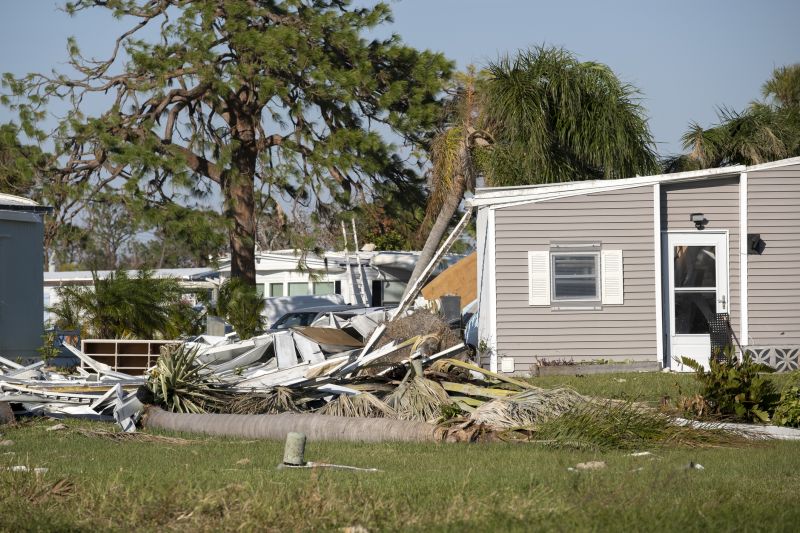
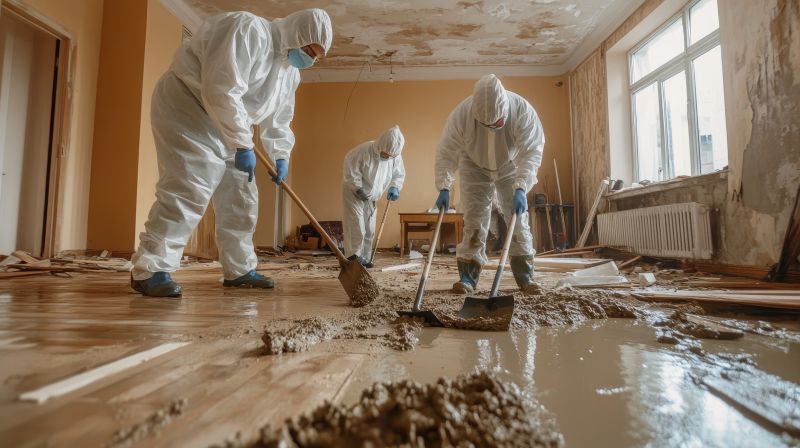
During the storm restoration process, property owners can typically expect to see a series of coordinated efforts by local contractors to assess and address the damage. This often begins with a thorough inspection of the property to identify compromised areas, followed by the removal of debris and damaged materials. Homeowners and business owners might notice workers setting up equipment, tarping roofs, or boarding up windows to prevent further harm. Understanding that these steps are standard can help ease concerns about the ongoing work, as local service providers aim to stabilize the property before moving on to repairs.
As restoration progresses, property owners should anticipate the repair and reconstruction phase, which often involves replacing damaged roofing, siding, or interior components. During this time, it’s common for contractors to communicate about the scope of work and any necessary permits or inspections. While disruptions are inevitable, many local contractors work efficiently to restore properties to their pre-storm condition. Knowing what to expect during the restoration process can help property owners plan accordingly and feel confident that experienced service providers are handling the necessary steps to recover from storm damage.
What should I expect during the restoration process after a storm? During storm restoration, local contractors typically assess the damage, secure the property, and begin repairs or cleanup. They keep homeowners informed about each phase to ensure clarity and transparency throughout the process.
How do local service providers handle damage assessment? Local pros conduct a thorough inspection of the affected areas to determine the extent of damage, which guides the restoration plan and helps prioritize repairs to restore the property efficiently.
What steps are involved in the restoration services? Restoration services generally include debris removal, structural repairs, water or mold mitigation, and weatherproofing. Local contractors coordinate these steps to ensure comprehensive recovery of the property.
Will I need to be involved during the restoration? Homeowners are usually kept informed and may be asked to make decisions on certain aspects, but most of the work is handled by local service providers with minimal disruption to daily life.
What is the typical process for completing storm restoration? The process involves damage assessment, securing the property, repair work, and final inspections. Local contractors work through each stage systematically to restore the property to its pre-storm condition.
Inspection and assessment - Local contractors will evaluate storm damage to identify affected areas and determine necessary repairs.
Damage documentation - Service providers can help document the extent of storm-related damage to support insurance claims and planning.
Restoration planning - Professionals will develop a plan to restore the property, prioritizing safety and structural integrity.
Progress updates - During the process, local pros provide ongoing updates to keep property owners informed about restoration steps.
If you are thinking about what to expect during the restoration process for a property, this guide is meant to help you understand this topic, the typical project types, and how different options might fit your plans.
When you are ready, you can use the quote form on this page to share a few details about your project. From there, local pros can review the basics and follow up with options that match what you have in mind.